
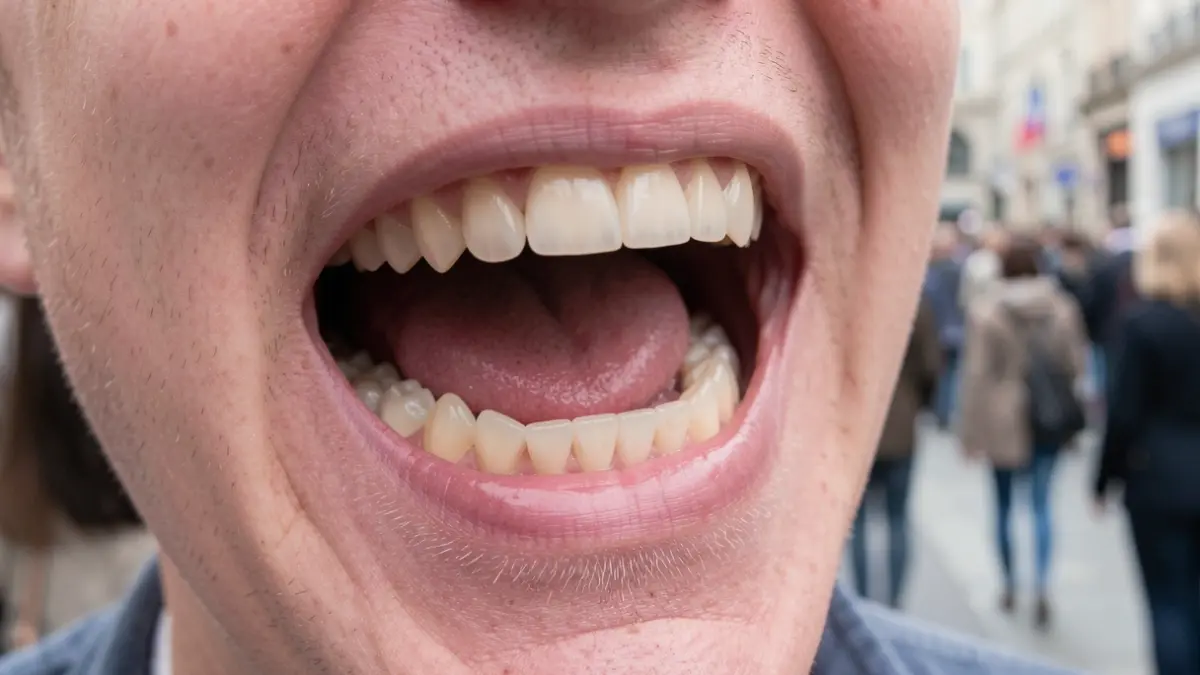
Mouth cancer can affect various areas, including the lips and tongue. Early detection is crucial for effective treatment, but symptoms can sometimes be overlooked, especially if they are not painful. While more common in men and older individuals, the Mouth Cancer Foundation notes that up to a quarter of cases occur without significant risk factors. Familiarity with what is normal for one's own mouth can aid in recognising changes.
Councillor Evie Potts-Jones, Somerset Council’s Lead Member for SEND, Public Health and Equalities and Diversity, stated, “Taking a couple of minutes each month to check your mouth is a simple habit that could make a real difference. Knowing what is normal for you makes it easier to spot any changes. If you notice an unusual lump, a red or white patch, or an ulcer that has not healed within three weeks, please contact your dentist or GP. These symptoms often have other causes, but getting them checked promptly is important. This Mouth Cancer Action Month, we’re encouraging everyone in Somerset to learn the signs and make time for a monthly mouth check.”
Residents are advised to look out for specific signs, including mouth ulcers that persist for over three weeks, unexplained red or white patches, unusual lumps or swelling in the mouth or neck, persistent pain or discomfort, difficulty swallowing or chewing, hoarseness, numbness in the lips or tongue. While these symptoms can have other causes, prompt medical attention is vital. An ulcer lasting more than three weeks should always be checked by a dentist or GP without delay.
The Mouth Cancer Foundation recommends that individuals over 16 perform a monthly mouth check after cleaning their teeth, a process taking approximately two minutes using clean fingers, a mirror, and good lighting. This involves examining the face, neck, lips, gums, cheeks, tongue, and the roof and floor of the mouth for any new swelling, sores, lumps, or changes in texture or colour. These self-checks complement professional examinations but do not replace them.
The risk of mouth cancer is increased by alcohol and tobacco consumption, with the risk being greater when both are used together. Reducing alcohol intake and quitting smoking can significantly lower this risk. Support services are available, including the Somerset Drug and Alcohol Service (SDAS) and Smokefree Somerset, offering confidential assistance for those looking to quit smoking or reduce alcohol consumption. The free Smoke Free app is also available for quitting support.
Certain types of human papillomavirus (HPV) are also linked to mouth and throat cancers. The HPV vaccine, routinely offered to children aged 12 to 13, helps protect against HPV and reduces the risk of developing related cancers later in life. Catch-up vaccinations are available for eligible young people under 25. For more information on HPV vaccination, residents can visit the NHS Somerset ICB website.
Somerset Council is using November as a reminder for residents to check their mouths, recognise potential changes, and seek advice promptly. Further information and an illustrated guide are available on the Mouth Cancer Foundation’s self-examination page.