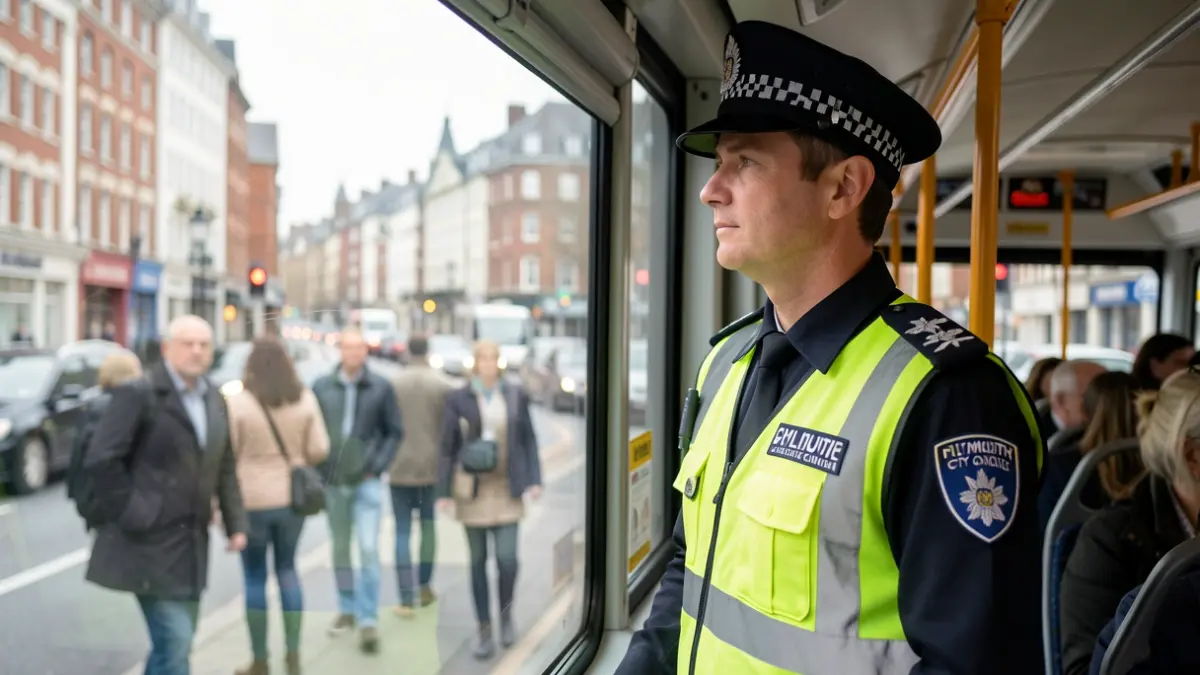
Plymouth City Council has deployed Civil Enforcement Officers onto the city's bus network to tackle illegal parking and improve the reliability and accessibility of public transport.
Civil Enforcement Officers are now travelling on selected bus routes across Plymouth, working alongside local operators. This new initiative aims to identify vehicles illegally parked in bus stops and bus lanes, which can cause significant disruptions to journeys. The approach supports Plymouth's Bus Service Improvement Plan and directly addresses passenger feedback on improving reliability.
When obstructions are identified, officers can investigate immediately or coordinate with colleagues to take enforcement action. The primary goal is to reduce delays, improve journey times, and ensure buses can safely access stops throughout the city. Illegal parking can particularly impact passengers with mobility impairments and those travelling with pushchairs, preventing safe boarding and alighting.
Every day, buses are delayed by vehicles parked where they shouldn't be, whether that's in bus stops, bus lanes or other locations that prevent services from operating efficiently. These delays don't just affect timetables. They affect people trying to get to work, school, appointments and home again. This initiative is about putting passengers first. By having enforcement officers travelling on buses, we're able to identify issues as they happen and take action where needed. It's a practical step that will help improve reliability, make bus travel more accessible and support our wider ambition to encourage more people to choose public transport.
Councillor John Stephens, Plymouth City Council Cabinet Member for Strategic Planning and Transport, stated: "Every day, buses are delayed by vehicles parked where they shouldn't be... It's a practical step that will help improve reliability, make bus travel more accessible and support our wider ambition to encourage more people to choose public transport."
One of the biggest obstacles to running reliable bus services is congestion and vehicles blocking bus stops or bus lanes. When a bus gets delayed, it's not just the passengers on board who are affected, but everyone travelling behind it as well. This initiative is a practical step that will help keep buses moving, improve reliability for customers and benefit everyone using Plymouth's roads. We welcome this approach and Citybus looks forward to working with Plymouth City Council to keep the city moving.
Richard Stevens, Managing Director of Plymouth Citybus, commented on the initiative, highlighting congestion and blocked bus stops as major obstacles. He added: "This initiative is a practical step that will help keep buses moving, improve reliability for customers and benefit everyone using Plymouth's roads."
While enforcement action, including Penalty Charge Notices (PCNs), may be issued for illegal parking in restricted areas, the scheme also aims to raise general awareness among motorists about the impact of their parking choices on the public transport network. The project is funded by the Department for Transport's Bus Service Improvement Plan funding and is part of Plymouth's Enhanced Bus Partnership programme.
Based on information from the official source:
Plymouth City Council (20/10/2026)