For many children, the prospect of an MRI scan can be daunting due to the unfamiliar, noisy environment and the requirement to remain still. However, at Gloucestershire Royal Hospital, a proactive approach involving preparation and play is making a significant difference. As part of Play in Healthcare Week, running from 5 to 9 October 2026, the Gloucestershire Hospitals NHS Foundation Trust is showcasing the vital work of its Play Specialists.
Since January, the hospital's Play Specialists have successfully supported 152 out of 159 children to undergo MRI scans without the need for sedation. This approach not only helps to reduce the necessity for general anaesthetics but also makes the experience considerably less frightening for young patients and their families.
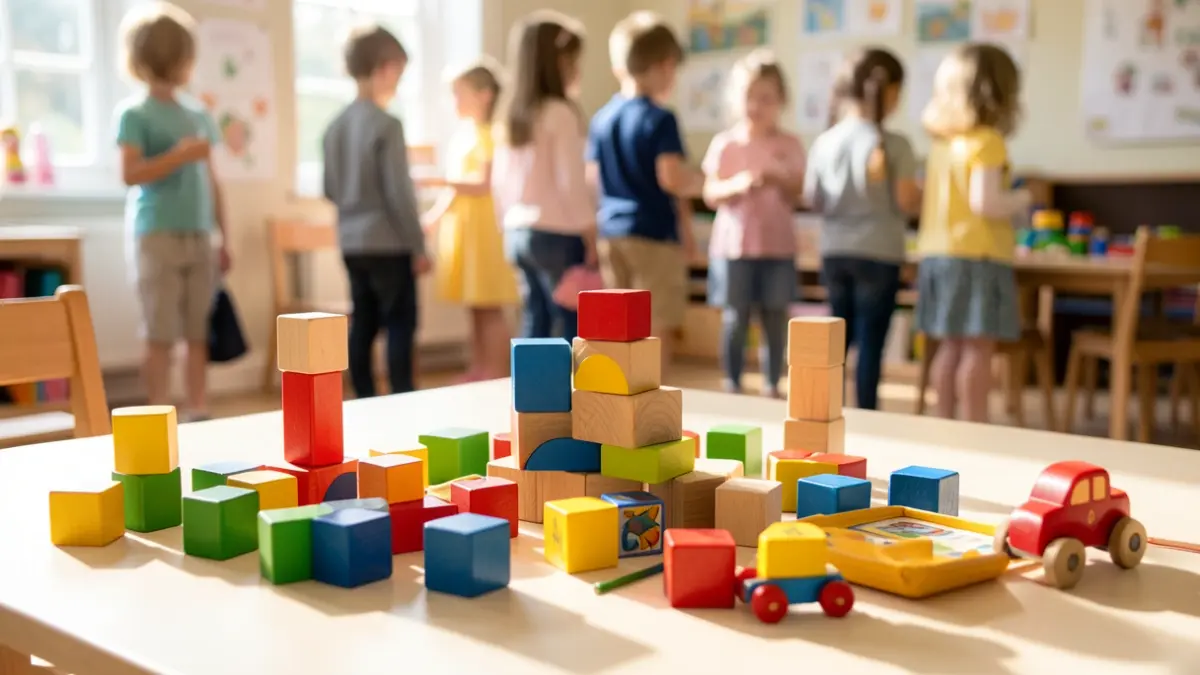
Play Specialists employ age-appropriate techniques, including play, preparation, and distraction, to help children comprehend hospital procedures, manage them effectively, and feel a greater sense of control. A recent initiative, backed by local charity Pied Piper, has established a dedicated area where children can prepare for their MRI scans through engaging play activities.
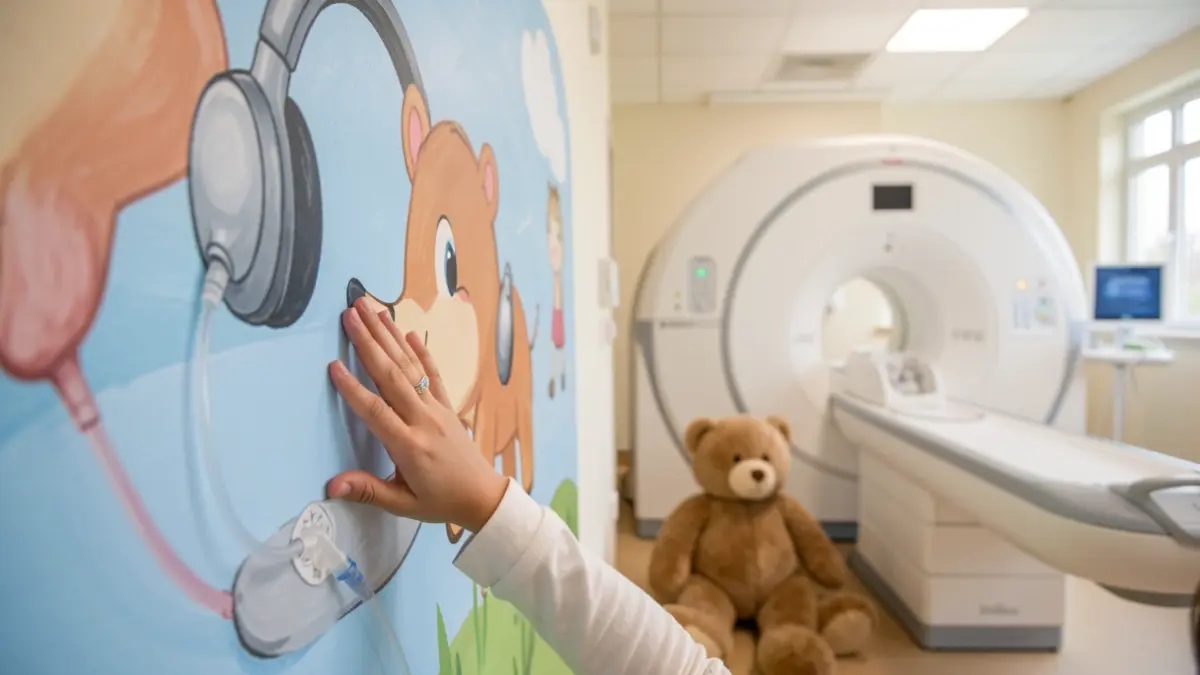
This specially designed space features a colourful animal mural that guides children through different stages of the MRI journey, such as wearing headphones, being measured, and the potential need for a cannula. Children can also practice the procedure using a model scanner with a teddy bear or act out the process with a Lego MRI scene, providing a safe environment to see, understand, and rehearse what will happen before their own scan.
“"With just a bit of preparation, many children don’t need to go under a general anaesthetic to have an MRI. We can help them understand what is going to happen, reduce their anxiety and make the whole experience much more positive."
Paediatric Matron Becky Wood emphasised the essential role of play specialists within the children's healthcare team, stating they are crucial in alleviating fear, anxiety, and distress during a child's hospital journey. She highlighted the project's success in reducing wait times and the risks associated with general anaesthetics, transforming the experience from one of fear to one of support and confidence.
Feedback from parents underscores the positive impact of the play team. One parent shared how the team's use of Lego and a toy MRI scanner helped their previously sedated son successfully complete a 40-minute head-first MRI. Another parent noted that advance preparation for a complex spinal and head MRI, including measures to ensure a pain and upset-free experience, made a significant difference for their son who had previously found such procedures distressing.
A parent of an autistic child described the play specialists' input before and after their son's MRI scan as exemplary, noting the profound positive impact their preparation and understanding had on the child's ability to undergo the procedure quickly and calmly.
This year's Play in Healthcare Week theme, “Celebrating how play is improving outcomes and experiences,” focuses on how play supports children's physical and emotional wellbeing in healthcare settings. For the Play Specialists in Gloucestershire, this is a daily reality, turning potentially frightening hospital experiences into manageable and understandable events for children.
Play in Healthcare Week is an annual event dedicated to celebrating the role of play across all healthcare settings for babies, children, and young people. It aims to recognise the significant work of Health Play Specialists and play staff. The week was formerly known as Play In Hospital week, with the name change in 2024 reflecting its broader scope across all healthcare environments.