
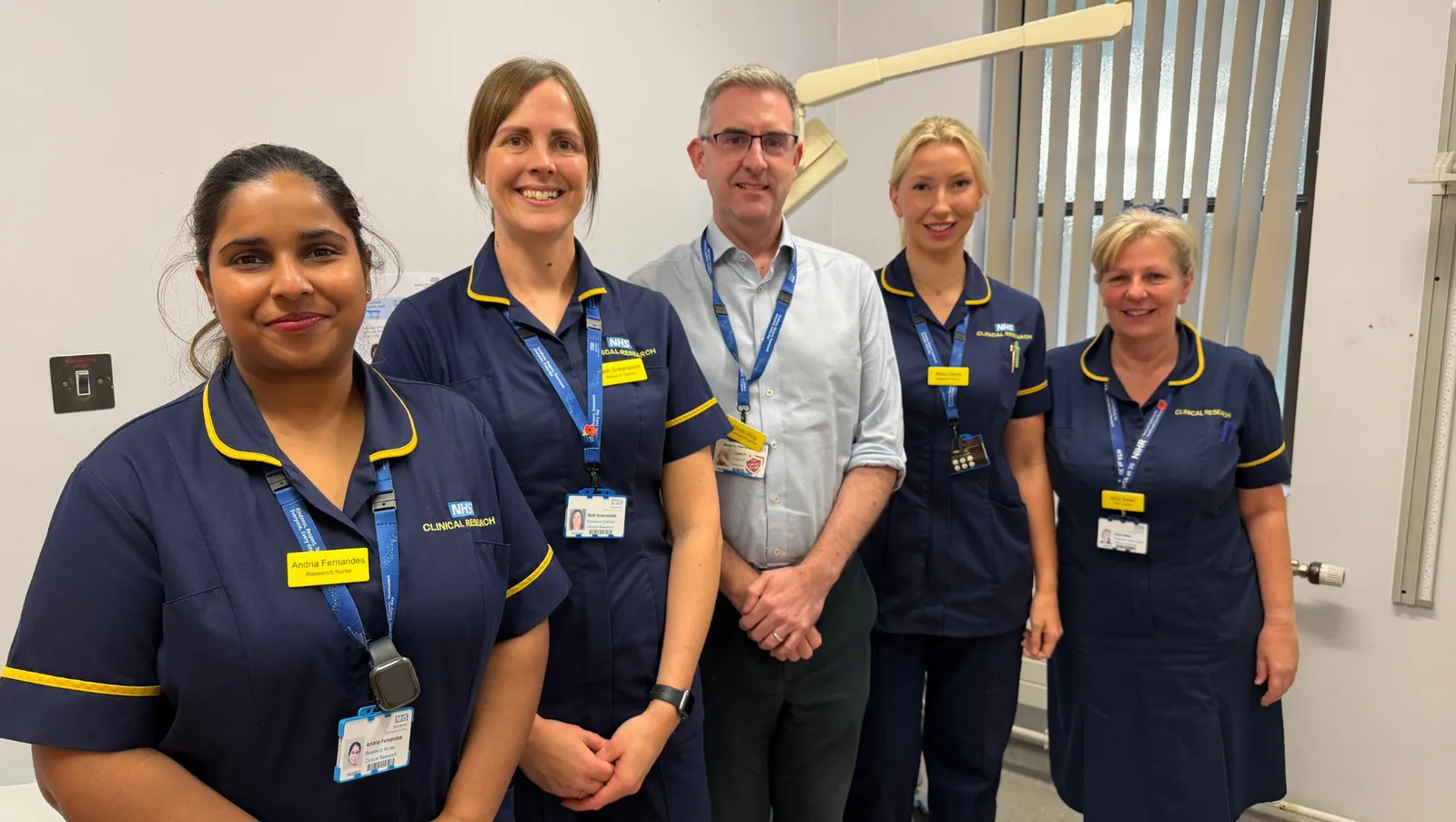
The study is investigating a new investigational medicine called Enicepatide, which aims to help patients lose weight and improve blood sugar levels. The medicine activates GIP and GLP-1 hormone receptors, potentially reducing appetite and food intake while enhancing glycaemic control. It is currently under study and not yet approved by health authorities for treating obesity or overweight.
Globally, approximately 1,600 people are expected to participate, with around 73 in the UK. The local research team at Musgrove Park Hospital hopes to recruit seven participants from the Somerset area. Eligibility criteria include being 18 or over, having type 2 diabetes, and a BMI of at least 27. Specific exclusions apply, such as recent use of GLP-1 medication or current insulin therapy.
“"Taking part is a significant commitment, with the study lasting around a year and a half, but people are supported throughout by our research team and will have regular assessments and monitoring."
Participants will be randomly assigned to one of four groups: three receiving different doses of Enicepatide and one receiving a placebo. The treatment involves a weekly self-administered injection for 72 weeks. The study also provides lifestyle support, including personalised advice from a research dietitian, Beth Greenslade, on diet and physical activity, alongside close health monitoring.
Participants will follow a reduced-calorie diet, engage in regular physical activity, and monitor their blood sugar. They will also maintain an electronic diary. Appointments will be held at Musgrove Park Hospital, with some potentially conducted remotely. The total study duration is approximately 79 weeks.
Potential side effects, based on similar medicines, may include nausea, vomiting, diarrhoea, and constipation. These risks will be fully discussed with potential participants before they commit to the study. Mark Verdant, clinical trials support officer, stated, “We’re hoping to recruit seven people here in Somerset and we’d really like to hear from people who think they might be suitable.”
Direct contact with the research team is encouraged, bypassing the need for GP referral. Participation is voluntary, and individuals can withdraw at any time without affecting their standard medical care. Eligible participants may also join a separate extension study. Recruitment began in July and aims to conclude in December, with potential for a reserve list for future studies.