
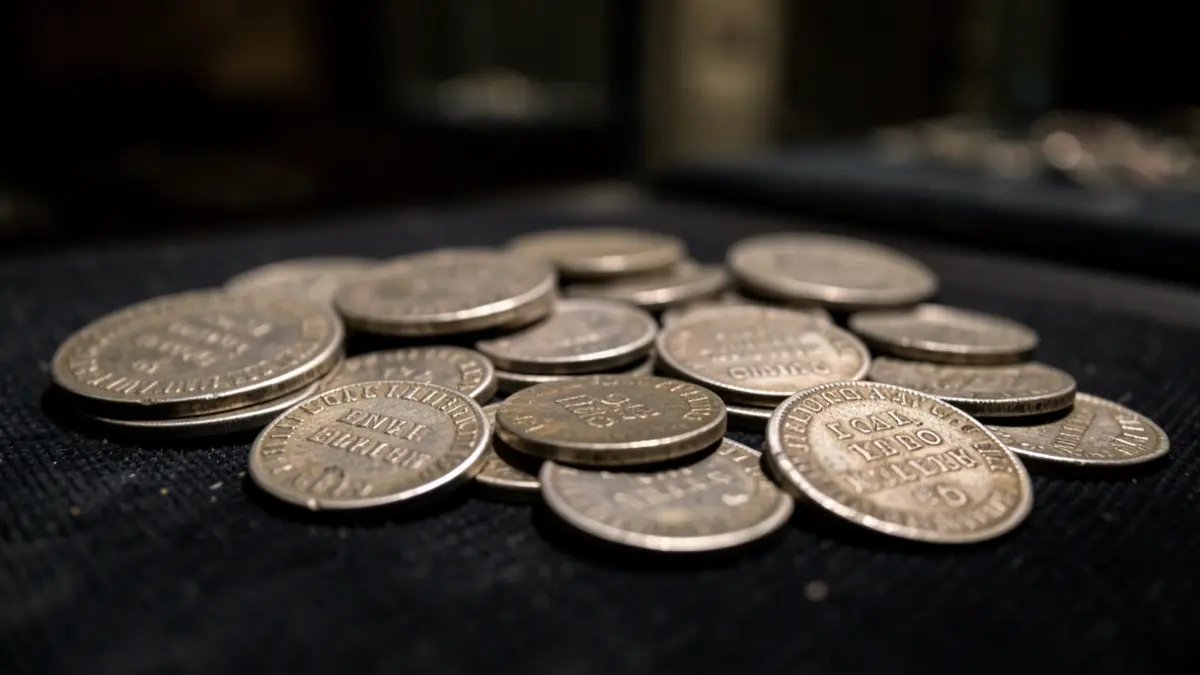
The exhibition, titled Chew Valley Hoard: Coins, Kings & Conquest, marks the first time this significant treasure has been displayed publicly outside of London. Presented in partnership with the South West Heritage Trust, the hoard was acquired for the nation with major funding from The National Lottery Heritage Fund and Art Fund.
This exhibition is a milestone for The Roman Baths, being its first temporary spotlight exhibition and launching Bath & North East Somerset Council's 2027 programme. The hoard is considered one of England's most important treasure discoveries.
The Chew Valley Hoard comprises 2,584 silver coins dating from approximately AD 1066-68, a period of significant historical change following the Norman Conquest. Buried for safekeeping during this time of upheaval, it is the largest coin hoard discovered from the immediate aftermath of the conquest.
As part of a two-year community engagement programme led by the South West Heritage Trust, the exhibition aims to widen public access to this remarkable archaeological find. Visitors can explore the story of the hoard, its revelations about conquest and change, and the historical role of Bath's own mint.
The exhibition is also part of the British Museum's Bayeux Around Britain programme, supported by WorldQuant, and will feature a series of talks and activities delving deeper into this defining period of English history.