Rob Hart, from Edington in Wiltshire, a former placekicker for NFL teams including the Miami Dolphins, Tampa Bay Buccaneers, and New Orleans Saints, is lending his support to a crucial stroke research initiative. Hart, known for his barefoot kicking style, experienced a stroke earlier this year after noticing heart palpitations.
He described the experience as "very scary," detailing how his vision deteriorated and his hand went numb before his wife recognised the symptoms and called NHS 111, leading to an immediate ambulance response. Doctors at the RUH determined the stroke affected the right side of his brain, caused by a blood clot travelling from his heart. "I've lost about 15% of my sight in both eyes, otherwise I've been very lucky that there's no other significant damage to my health," Hart stated.
To mark World Stroke Day on Thursday 29 October, Hart expressed his gratitude for the exceptional care he received from the RUH staff, from the ambulance team to the hospital personnel. "I could not have asked for better care," he said. "Everyone I came into contact with... were wonderful."
Following his stroke, Hart enrolled in the National Young Stroke Study, which is open to stroke patients under 55. The study, run by the University of Oxford in partnership with local hospital research teams, aims to better understand the key risk factors contributing to strokes in younger individuals. The number of new stroke cases in adults under 55 has doubled in the UK and other high-income countries over the last decade, with the reasons still unclear.
Researchers are investigating how traditional risk factors like high blood pressure, diabetes, high cholesterol, smoking, and obesity may contribute to strokes in younger people, as well as exploring potential emerging factors such as long working hours, stress, and mental health conditions. Participants complete a questionnaire and interview with the research team. "I was more than happy to take part. It was really straightforward and if it can in some way help raise awareness of potential new risk factors for strokes and how they can be prevented, then that can only be a good thing," Hart commented, encouraging others to consider participating in research.
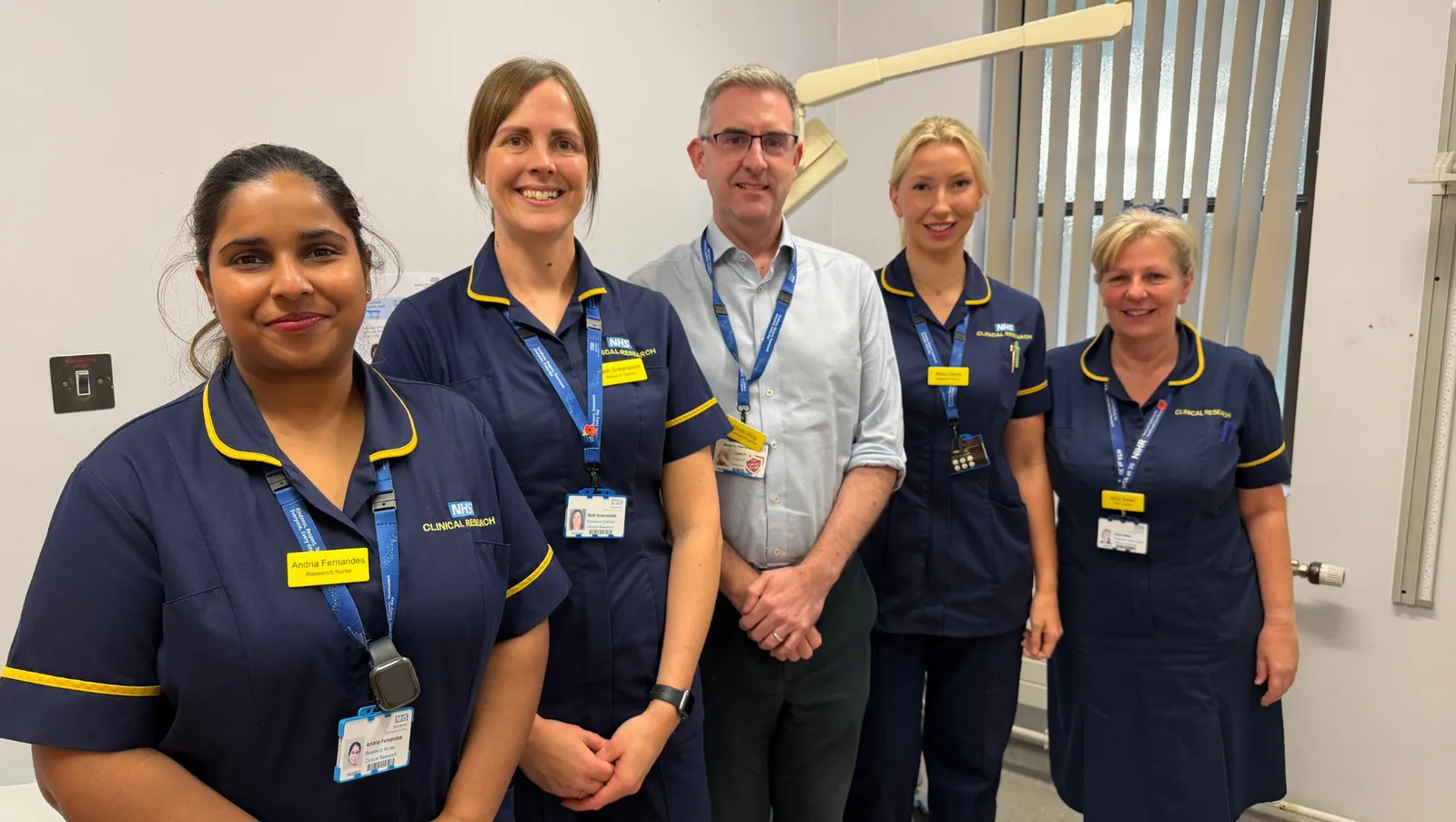
The RUH is a research-active hospital, involved in over 300 studies and recruiting 4,800 participants in the past year. More information about research at the RUH is available on their website, and details about stroke symptoms and treatments can be found on the NHS website.